
12. "My God, My God. Why have You Forsaken Me?"
It was just after three in the afternoon. Darkness had engulfed the scene since midday, and in the gloom, the day seemed to go on forever. The two thieves crucified next to Jesus groaned as the agony dragged on. The bystanders near the crosses stood in silence, exhausted from the shock and horror of the last six hours. Suddenly, Jesus roused on the cross and cried out with a loud voice, “My God, My God, why have you forsaken me?” and not long after, giving a final breath, He bowed His head and died.
Jesus cried out these words just before He died. Of the seven statements He made while hanging on the cross, this sentence is the most perplexing and hardest to understand. The gospel accounts simply record this statement, and there is no explanation given anywhere else in the Bible.
To explain this account, some commentators point to 2 Corinthians 5:21, which states that Jesus took our sin into Himself while He was dying on the cross. They then suggest that because of His holiness, the Father could no longer look at Jesus in this sinful state and therefore turned away from Him. According to this interpretation, the Father forsook Jesus at His moment of greatest need. Isolated from the Father, He carried the sins of the world alone.
While these commentators have put forward this explanation, they admit that this statement is a mystery and concede that this incident is not explained elsewhere in the Bible.
There may, however, be an alternative answer which I believe harmonises with what we have discovered about the Father in our previous chapter.
The Bible teaches that Jesus was both fully God and fully man. We also know that in becoming a man, Jesus, the eternal Word of God, put aside the use of His divine attributes. In short, this means that in uniting His nature with humanity, Jesus was limited to a normal human experience. His everyday life was like yours and mine. He had to grow, mature, and learn just like us. There was one exception. He was sinless, and therefore, He had never experienced the guilt that we feel because of our sin.
I suggest that Jesus’ cry on the cross was not caused by the Father turning away from Him. Instead, this was his human response to experiencing the shame and the sense of isolation that sin brings between the Father and us. He had always enjoyed an open, intimate relationship with the Father. But now He experienced a sense of isolation, as He took our sin into Himself.
According to this interpretation, the Father never turned away from Jesus. He was there in every moment of anguish on the cross, but because our sin was placed on Him, Jesus felt isolated and alone.
This explanation is more consistent with what we discovered in our previous chapter, that although Jesus was sinless and holy, He was comfortable in the presence of sinners. He never turned away from them, but was their friend. Likewise, the Father, too, is a friend of sinners.
If the Father shunned Jesus when He was on the cross, this means He must turn away from us, too, in our sinful state. The good news is that He did not turn aside. The Father was present with Jesus in every moment. This means He too will never turn his love and attention away from us either.
Think back to Adam and Eve in the Garden of Eden. The Father never turned away from them when they sinned. Instead, He came looking for them in love so He could make it right.
Jesus said He would never leave nor forsake us, and if this is true for Him, then we know it is also true for the Father. He is not distant and unreachable in His holiness. Instead, He is always present. Loving and reaching out to us in every situation.
Further reading: Matt 27:45-50; 2 Cor 5:21; Ps 139:7-12
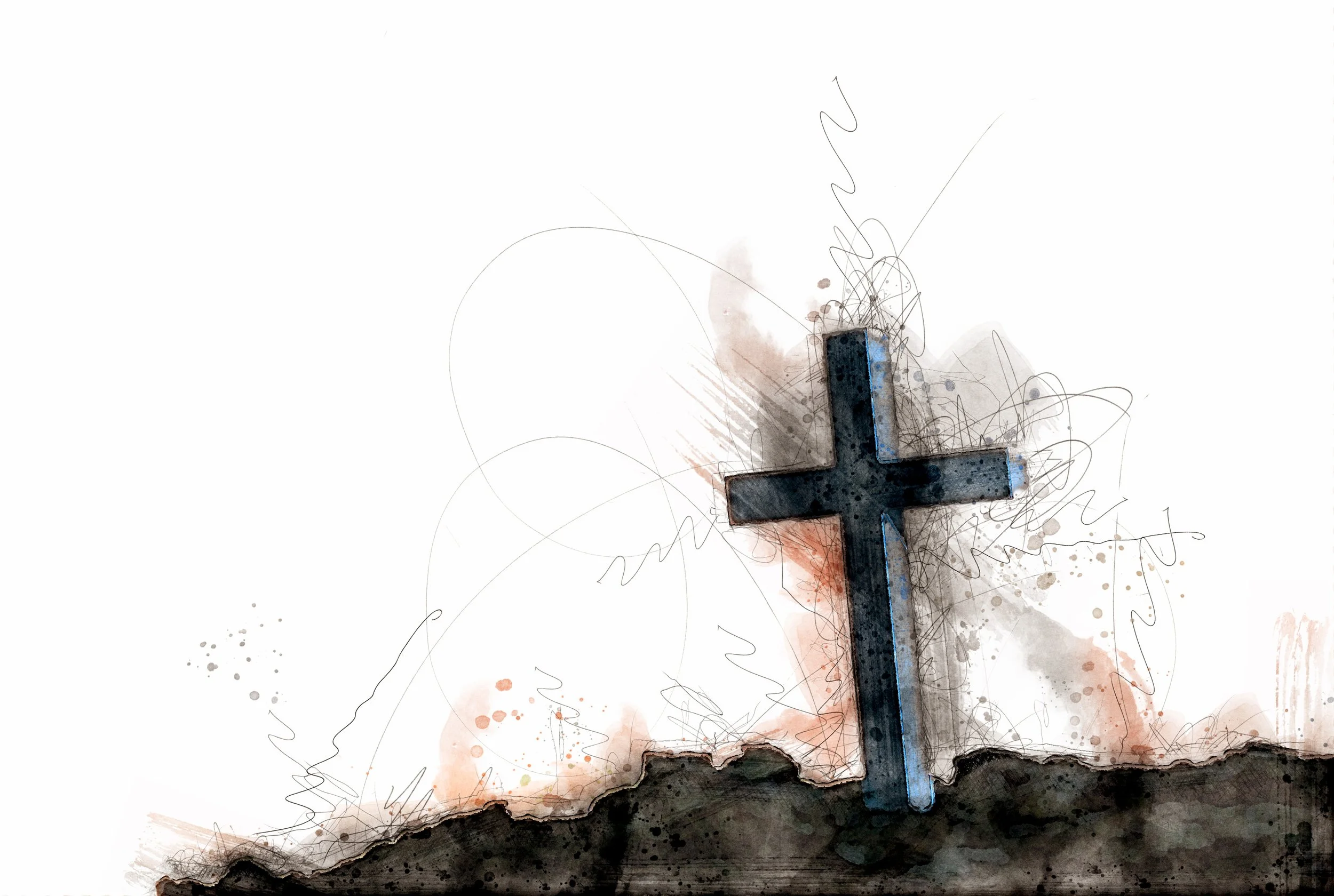
In His humanity, Jesus felt isolated from the Father. But the Father never forsook Him for even a second.
There is nothing you can do to make the Father turn His back on you. He is not distant and aloof but is as close to you as your very breath.
This is an extract from my free book Knowing God as Father, which is available for download at Knowing God as Father.